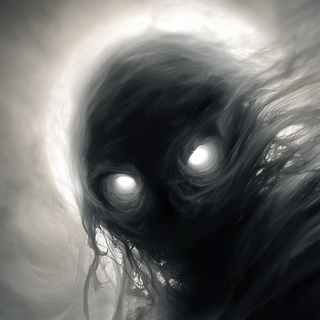
The test was deliberately easy. In 17th‑century Japan, suspected Christians were ordered to step on a fumi‑e — a small image of the Virgin Mary or Christ mounted on wood or brass. Those who trampled it walked free. Those who refused were marked out for what came next.
What came next, on the Shimabara Peninsula, was a mountain.
The Horror
Between 1627 and 1632, the boiling sulfur springs of Unzen Jigoku — “Unzen Hell” — became one of the Tokugawa shogunate’s instruments for crushing Christianity. Under the brutal local lord Matsukura Shigemasa, Christians who refused to apostatise were stripped, bound hand and foot, and doused with ladles of near‑boiling spring water at the edges of the pools. The aim was not an efficient execution. It was to break their will. Death was simply what happened to those who never gave the word the authorities wanted.
At dawn on 28 February 1627, the first recorded group — Paulo (Paulus) Uchibori and fifteen companions — was taken from Matsukura’s prison and marched up Mount Unzen. They sang hymns as they climbed. When the guards stopped to rest, they knelt and prayed on the path. At the boiling pools, ropes were tied around their necks so they could be hauled back from the water. When the first man tried to jump in at the executioners’ command, Paulo told him to wait — to let the torturers do the killing, because the faithful must not take their own lives. He was instructing his companions in how to die while standing at the edge himself.
Over the next five years, around thirty people were killed at Unzen and more than sixty tortured there by scalding. Thousands of others across Nagasaki and Shimabara faced the fumi‑e test. Many, confronted with the steam, the smell, and the screams from the pits, stepped on the picture and lived. The novelist Endō Shūsaku, who wrote Silence about this persecution, later visited Unzen and admitted he would probably have fainted at the thought of being thrown in.
Matsukura’s wider brutality — torture of Christians, crushing taxes, forced labour — helped ignite the Shimabara Rebellion of 1637–38, one of the largest uprisings in Japanese history. The methods meant to stamp out the faith helped trigger a war that required more than 100,000 shogunate troops to crush. Afterward, Matsukura’s son Katsuie was executed by the shogunate for misrule — the only daimyo of the entire Edo period to be beheaded instead of allowed seppuku.
The Modern Relic
Unzen Jigoku is now a hot‑spring resort inside Japan’s first national park. A cross and monument stand on a hill above the steaming pools, inscribed with the words: “Do not fear those who kill the body but cannot harm the soul.” Tourists walk boardwalks directly over the boiling vents. When the wind shifts, the sulfur steam stings your eyes and wipes out your sense of smell — the same air the martyrs breathed. A festival is held for them every May, and in 2007 twenty‑nine Unzen martyrs, including members of the Uchibori family, were formally beatified by the Catholic Church.
Nearby on the Dark Atlas
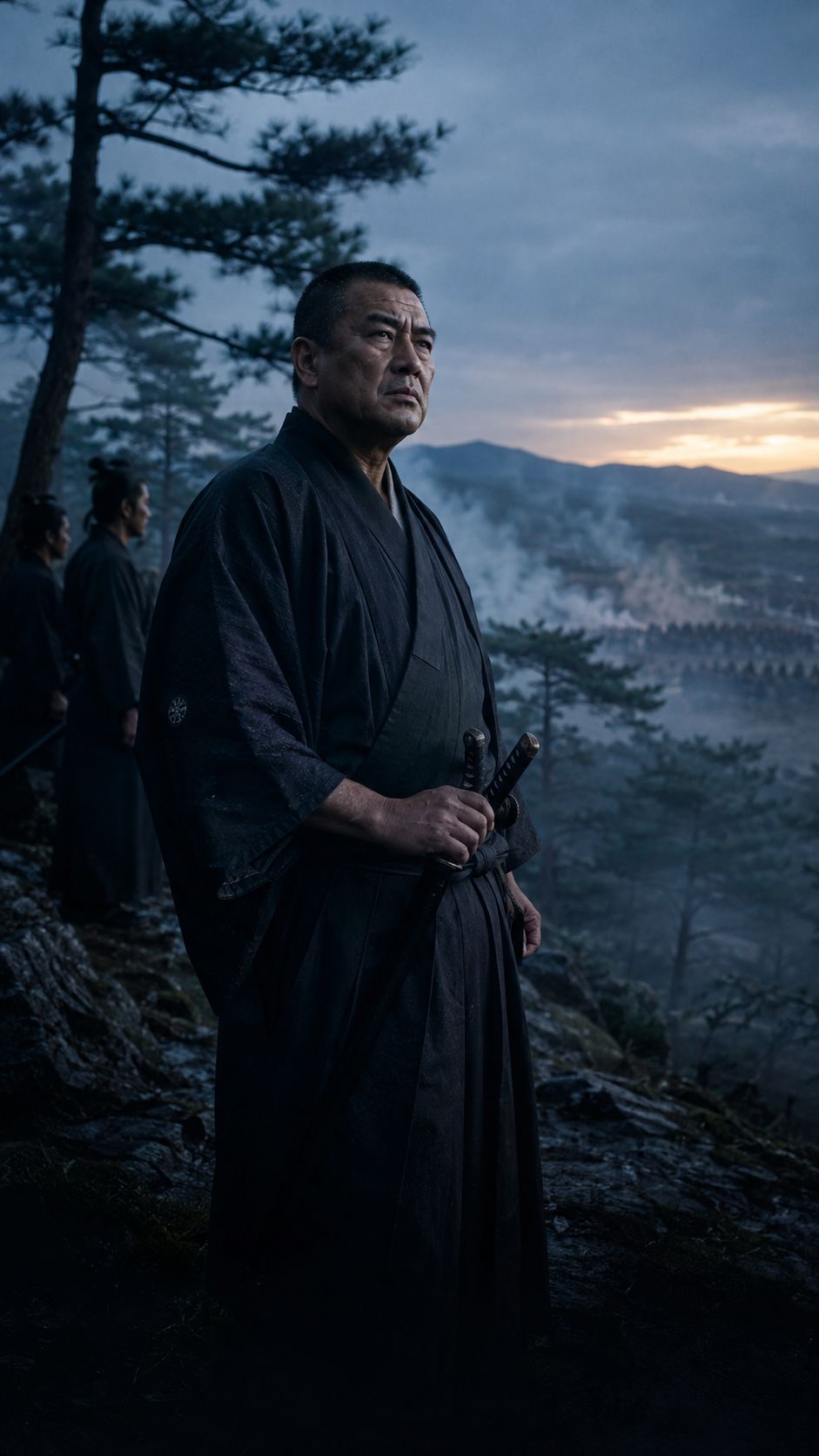 The Real Last Samurai's Tragic Rebellion
The man who helped build modern Japan died a rebel, destroyed by the very nation he created.
Kagoshima, Japan · 1877 · 130 km away
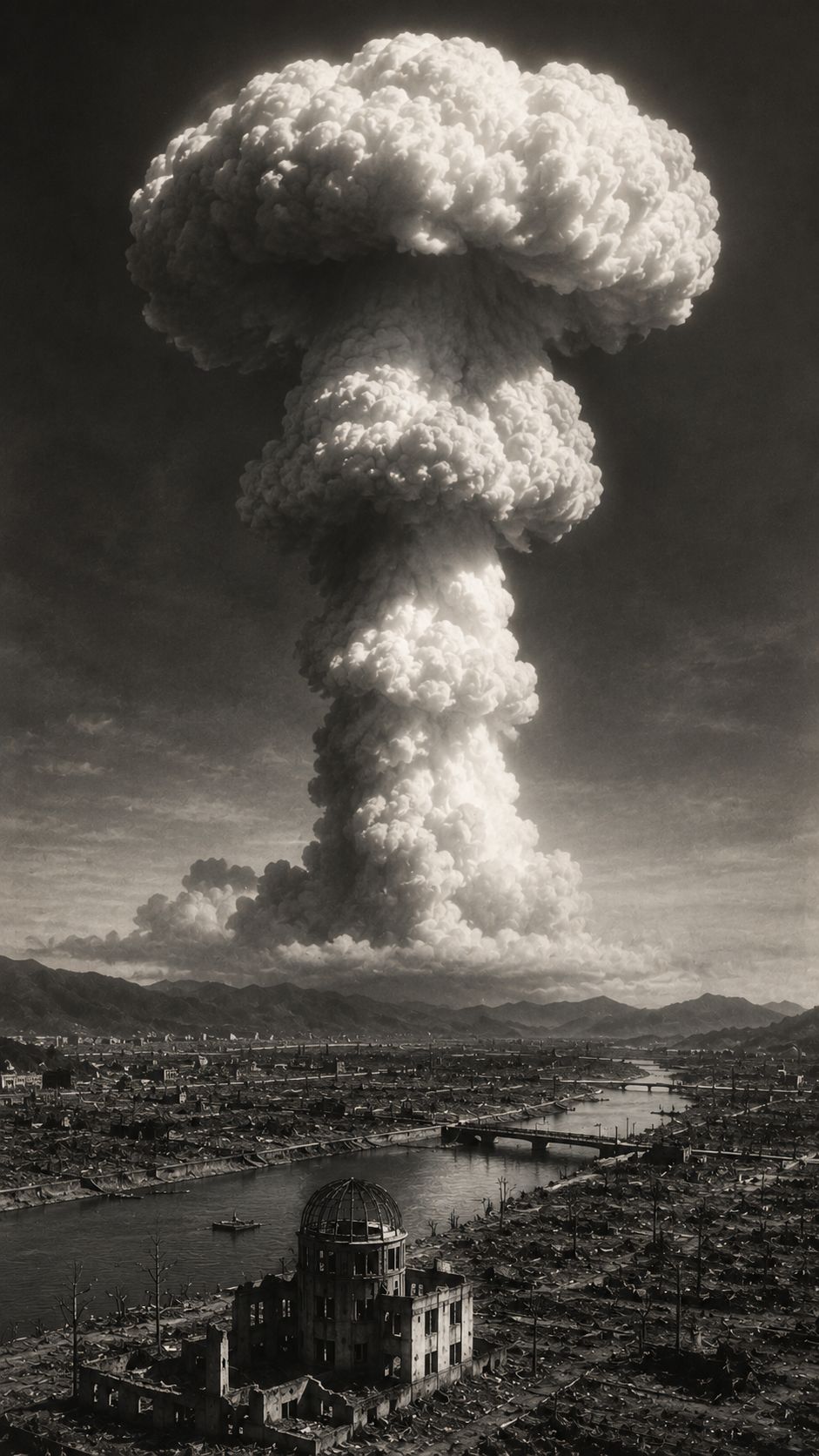 The Shadow Burned Into The Steps
In less than a second, a bank's granite steps bleach white everywhere except where one person happened to be sitting.
Hiroshima, Japan · 1945 · 272 km away
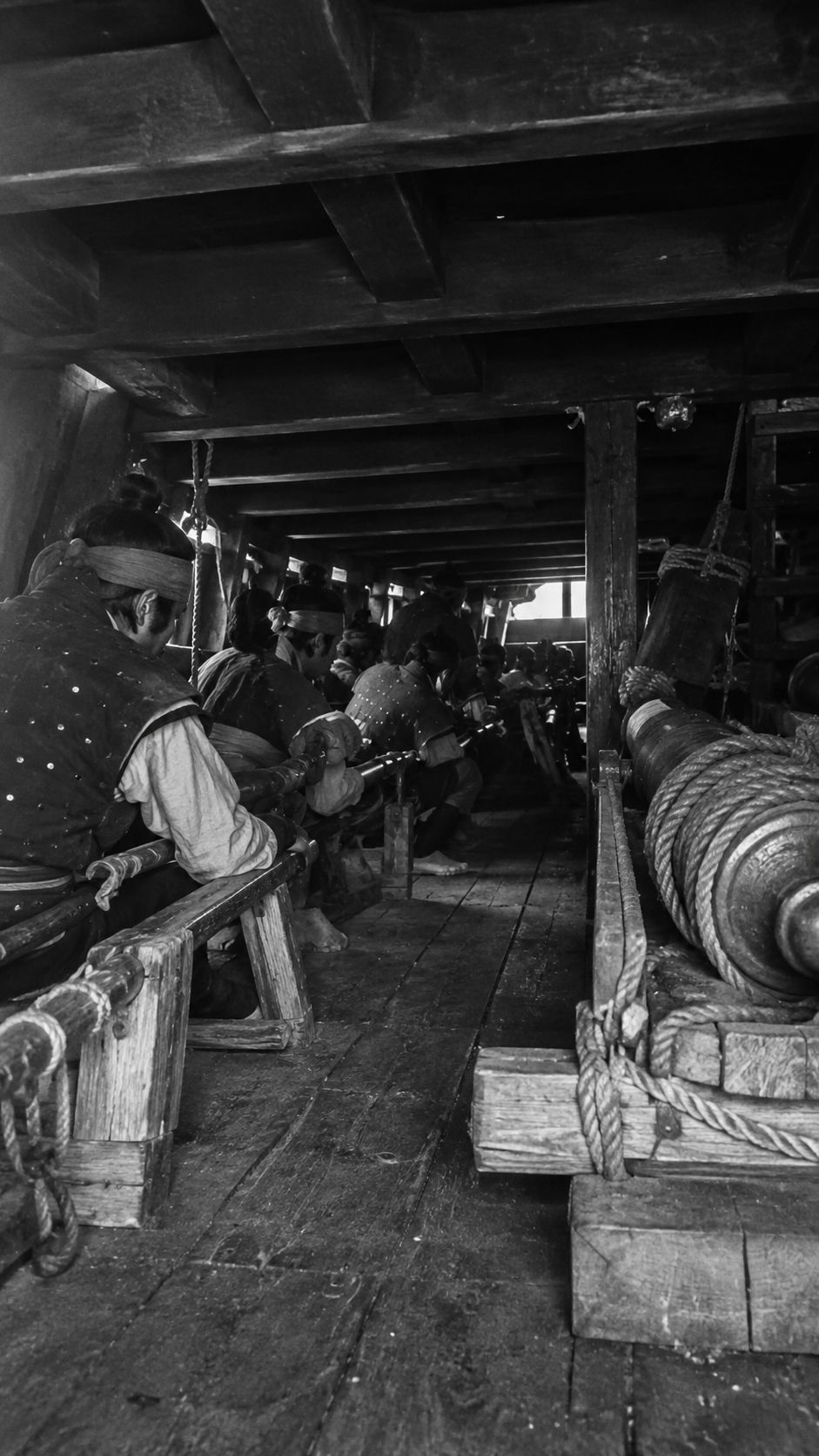 The Crane's Wing That Crushed a Fleet
A decoy fleet lured Japanese warships into open water, straight into a U-shaped trap that sealed their fate.
Hansan Island, South Korea · 1592 · 277 km away
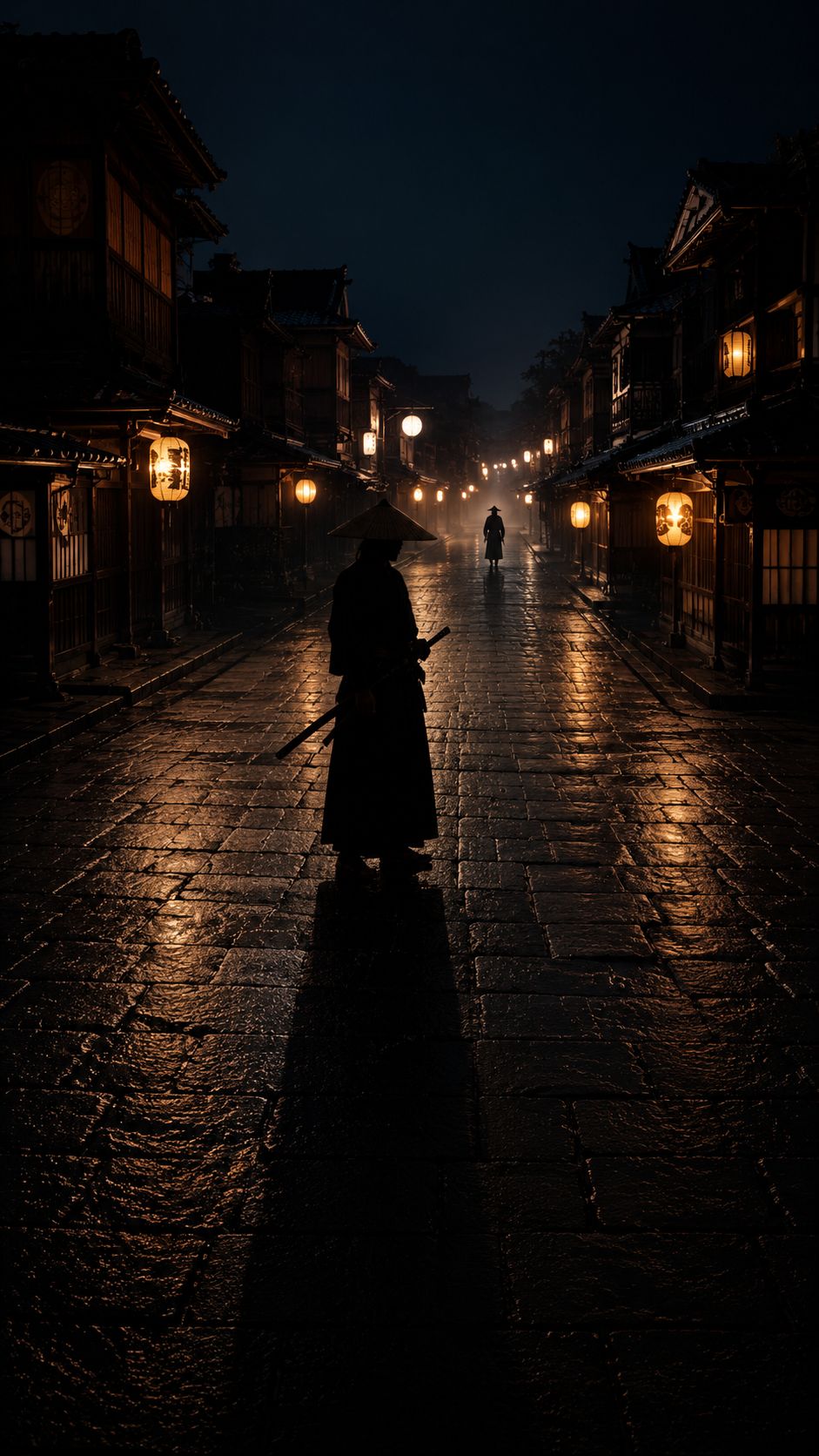 The Samurai Who Tested Swords On Strangers
Japanese swordsmen once tested new blades by cutting down unsuspecting passersby at night, until the shogunate finally banned it.
Edo, Japan · 1602 · 921 km away