Every tourist who visits the Colosseum in Rome today looks down and sees the exposed underground chambers — the hypogeum — a maze of tunnels, animal pens and lifts beneath where the arena floor once was. They see stone and brick and darkness.
Before those chambers existed, for a brief time, they would have seen water.
The Horror
In the early years after the Colosseum’s inauguration under Emperor Titus in 80 AD, ancient writers describe the arena being flooded for special shows known as naumachiae — staged naval battles fought with real weapons by real men who really died.
The poet Martial, who attended the inaugural games, mentions ships clashing in the amphitheatre and sea battles performed there, suggesting that at least some early spectacles featured vessels on water in the arena. The participants were usually condemned criminals or prisoners of war, given equipment and ordered to fight.
If you lost, you drowned or were killed. If you won, your fate still depended on imperial mercy.
The logistics, even in a simplified form, were astonishing. Water had to be brought in from imperial water systems and held in the arena basin; temporary barriers and channels would have contained and then drained it. The same structure that hosted gladiator combats and animal hunts in sand on one day could, for certain occasions, be turned into a shallow artificial lake the next.
The largest naumachia in Roman history did not take place in the Colosseum at all, but on an actual lake. In 52 AD, Emperor Claudius staged a full‑scale naval battle on the Fucine Lake, using roughly 19,000 men — prisoners of war and condemned criminals — forced to fight in ships while spectators watched from the shore. Ancient accounts describe a chaotic mêlée with heavy casualties.
Before the fighting began, the combatants saluted the emperor with words that became famous:
“Ave, Imperator, morituri te salutant.” “Hail, Emperor, those who are about to die salute you.”
The line that has echoed for two thousand years — in films, novels, video games and tattoos — was spoken by men in chains on boats they had not chosen to board, addressing a ruler who was about to watch them kill each other for his entertainment.
Later in the 1st century, the hypogeum complex was constructed beneath the Colosseum’s floor, adding the intricate system of tunnels, lifts and trapdoors needed for more elaborate animal shows and gladiator entrances. Once that undercroft existed, easily flooding the arena was no longer practical, and naumachiae moved to purpose‑built basins and lakes elsewhere.
The Modern Relic
The Colosseum now receives millions of visitors a year. They peer into the hypogeum and imagine gladiators, exotic animals and the roar of crowds. What they cannot see is the earlier phase: an amphitheatre turned into water, small ships manoeuvring in a confined space, men drowning or being stabbed on sinking vessels, and tens of thousands of spectators looking down from the same tiers where they would watch lions and fighters the next day.
The phrase “morituri te salutant” is printed on T‑shirts and coffee mugs in souvenir stalls around the Colosseum. It is inked into skin and captioned beneath gym selfies. Almost nobody repeating it thinks about the original setting — condemned men on ships, saluting an emperor on a raised throne before a battle they were not meant to survive.
The arena that is now a hollow of stone once held water and warships as well as sand and blood. The words that once came from chained men waiting to die now come from gift‑shop slogans.
Nearby on the Dark Atlas
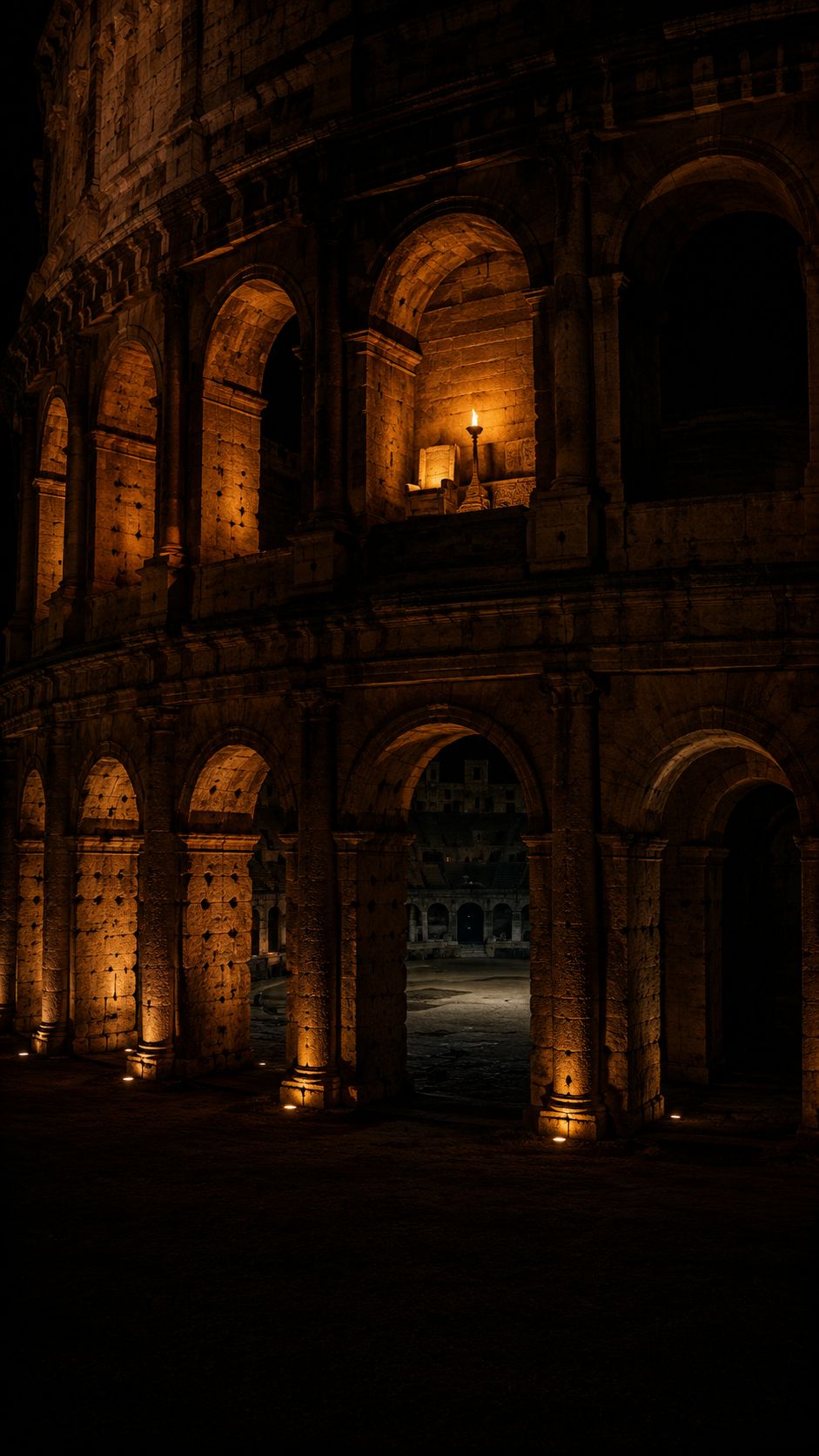 The Emperor Who Fought As A Gladiator For Fun
Gladiator showed him as a scheming villain — the real emperor clubbed amputees to death and billed the treasury for it.
Rome, Italy · 192 · same site
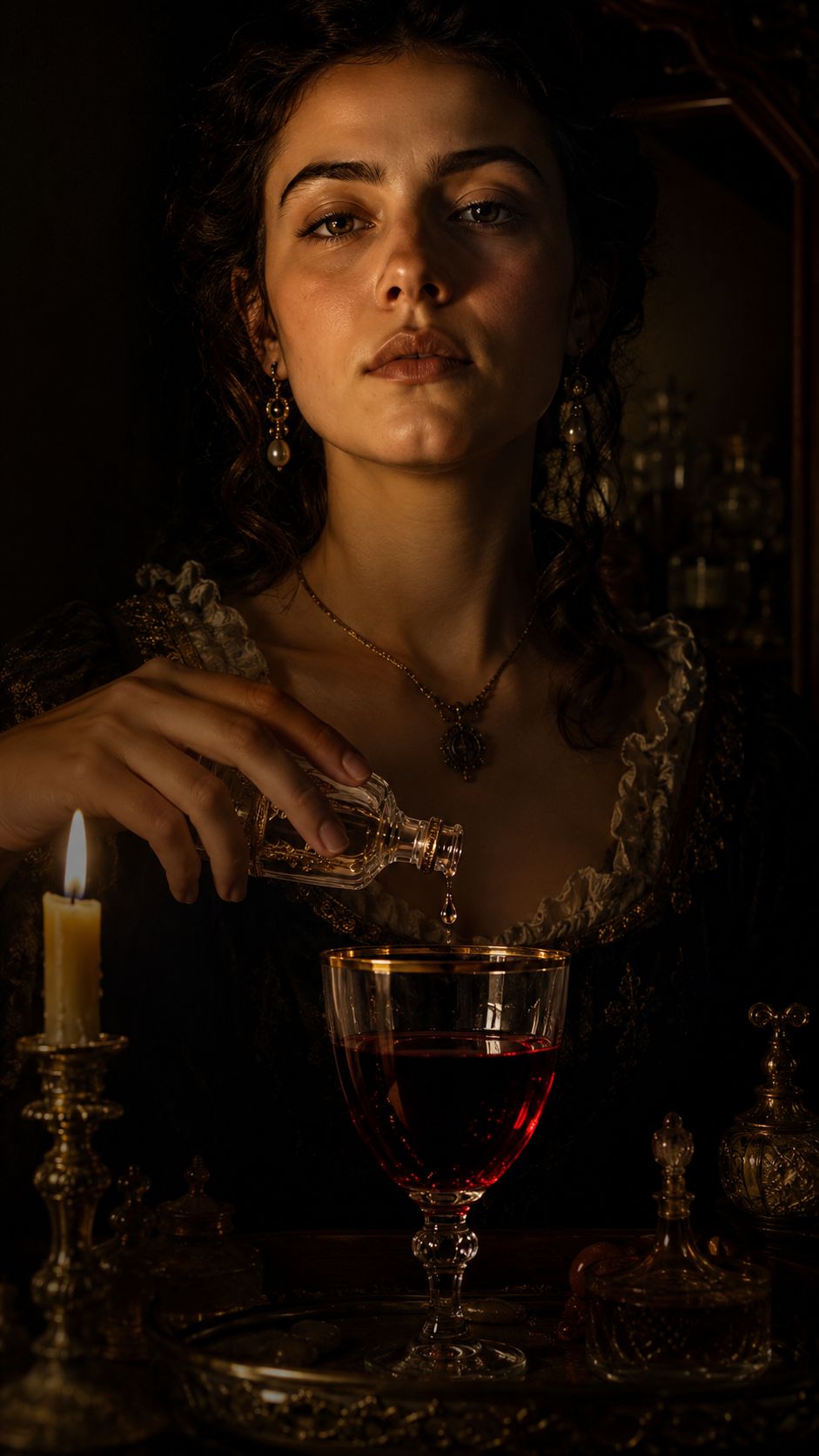 The Poison Sold As A Woman's Cosmetic Oil
Disguised as beauty oil, a tasteless poison gave abused wives in Rome a way to outlive their husbands.
Rome, Italy · 1650 · same site
- The Vanished Statue That Named The Colosseum
Rome's greatest arena was never named for itself — it borrowed its name from a giant bronze statue that vanished.
Rome, Italy · 80 · same site
- The Wheel In The Wall That Took Unwanted Babies
A pope looked at drowned infants in the Tiber and ordered a spinning wooden cylinder built into church walls instead.
Rome, Italy · 1198 · same site