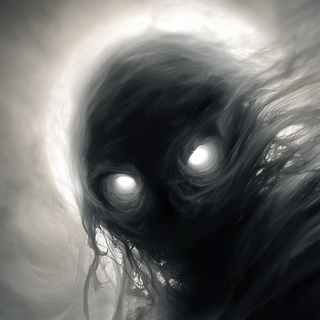
The Romans did not design crucifixion to kill through the nails — the nails were to hold the body in position — because the actual mechanism of death was that the weight of the hanging body forced the chest into a permanent state of inhalation, meaning the victim could breathe in but could not breathe out, and to exhale they had to push up on the nail through their feet and pull up on the nails through their wrists to lift their body twelve inches up the cross, and every time they did this the shattered median nerves in both wrists exploded with pain, and the muscles in their legs cramped and seized, and the process repeated every few minutes for hours or days until the muscles gave out entirely and the person suffocated in the open air, and the Romans knew that breaking the legs ended it in minutes because it removed the ability to push up, and the word excruciating comes directly from the Latin word for crucifixion, and it was invented specifically because no existing word was adequate to describe the pain.
Interesting Fact: Roman guards were legally forbidden from leaving the site of a crucifixion until the condemned was confirmed dead. To speed up death when required — before a Sabbath, or when ordered — they broke the legs with a heavy mallet. Death followed within minutes. When they did not break the legs, some victims lasted three days. The only confirmed skeletal remains of a crucified person ever recovered from antiquity were found in Jerusalem in 1968 in a tomb, a heel bone with an iron nail still driven through it. The nail had bent on impact with the wood and could not be removed. He was buried with it still in his foot.
Nearby on the Dark Atlas
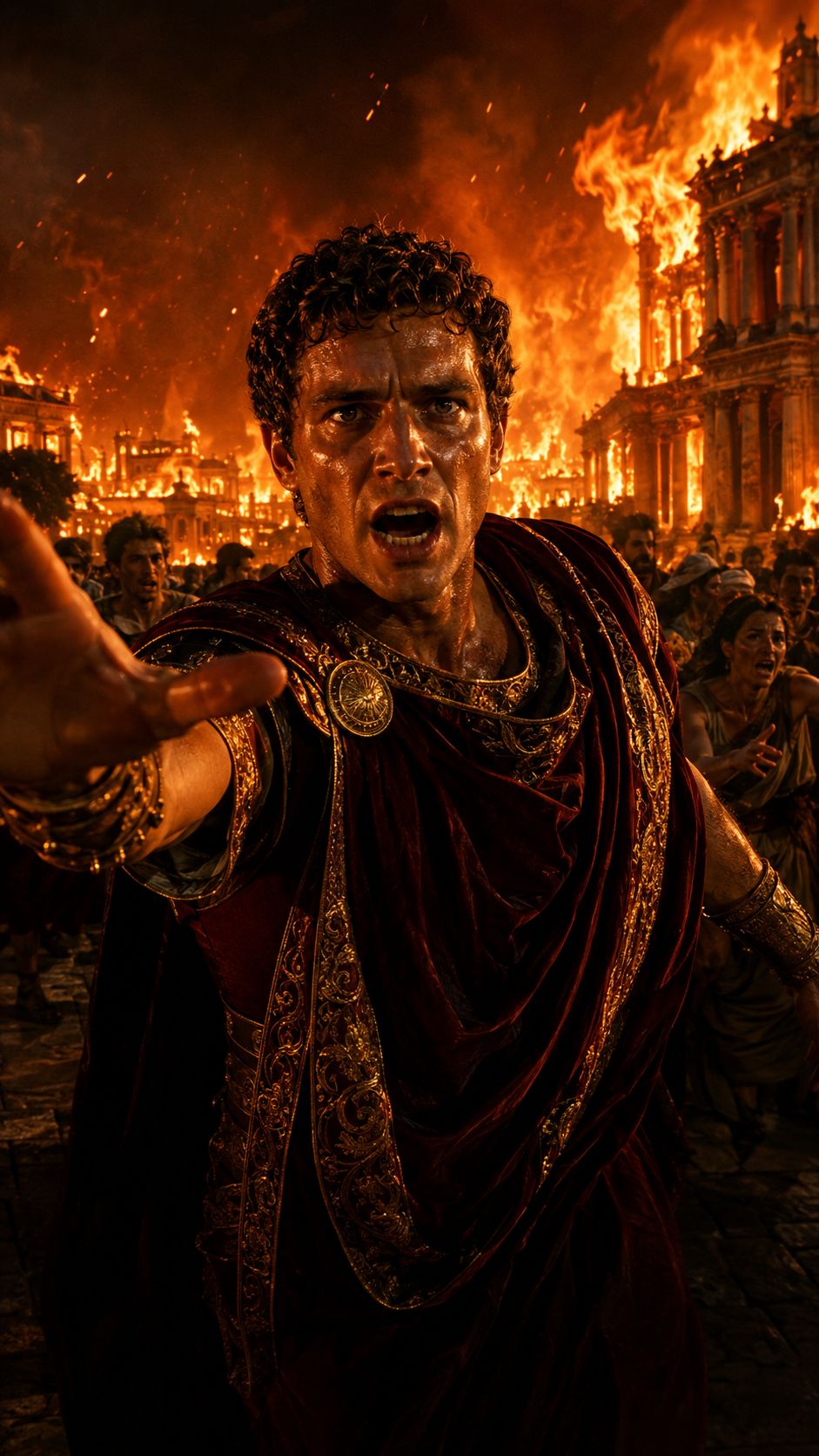 Nero Never Fiddled While Rome Burned
The most famous image of imperial cruelty in Roman history turns out to be almost entirely fabricated.
Rome, Italy · 64 · same site
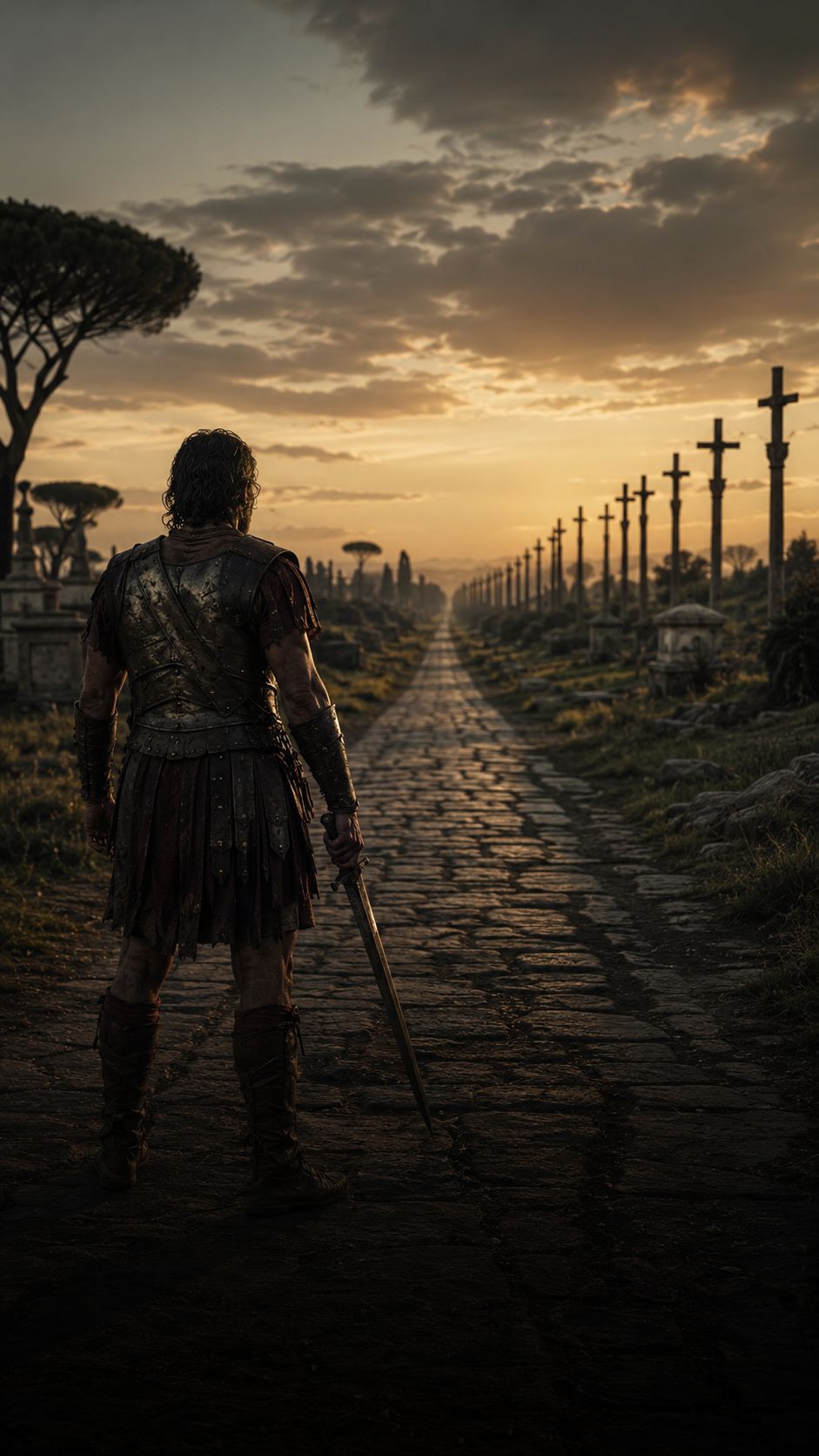 Six Thousand Crucified Along The Appian Way
The slave rebellion Hollywood romanticised did not end with one man on a cross, but six thousand.
Rome, Italy · 71 BC · same site
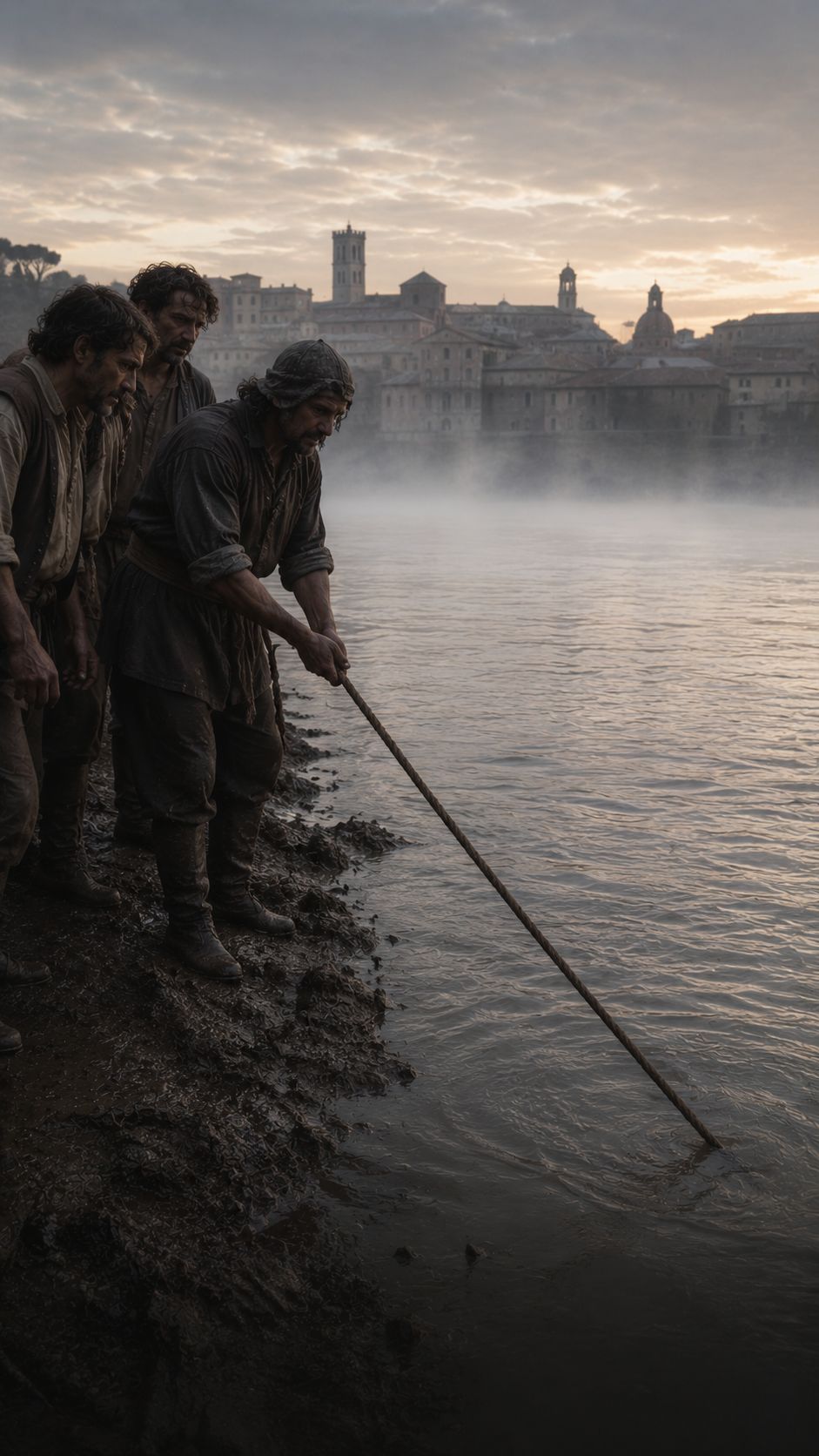 The Borgia Pope's Unsolved Family Murder
The pope's own favourite son was murdered and dumped in the Tiber, with suspicion pointing straight at his own brother.
Rome, Italy · 1497 · same site
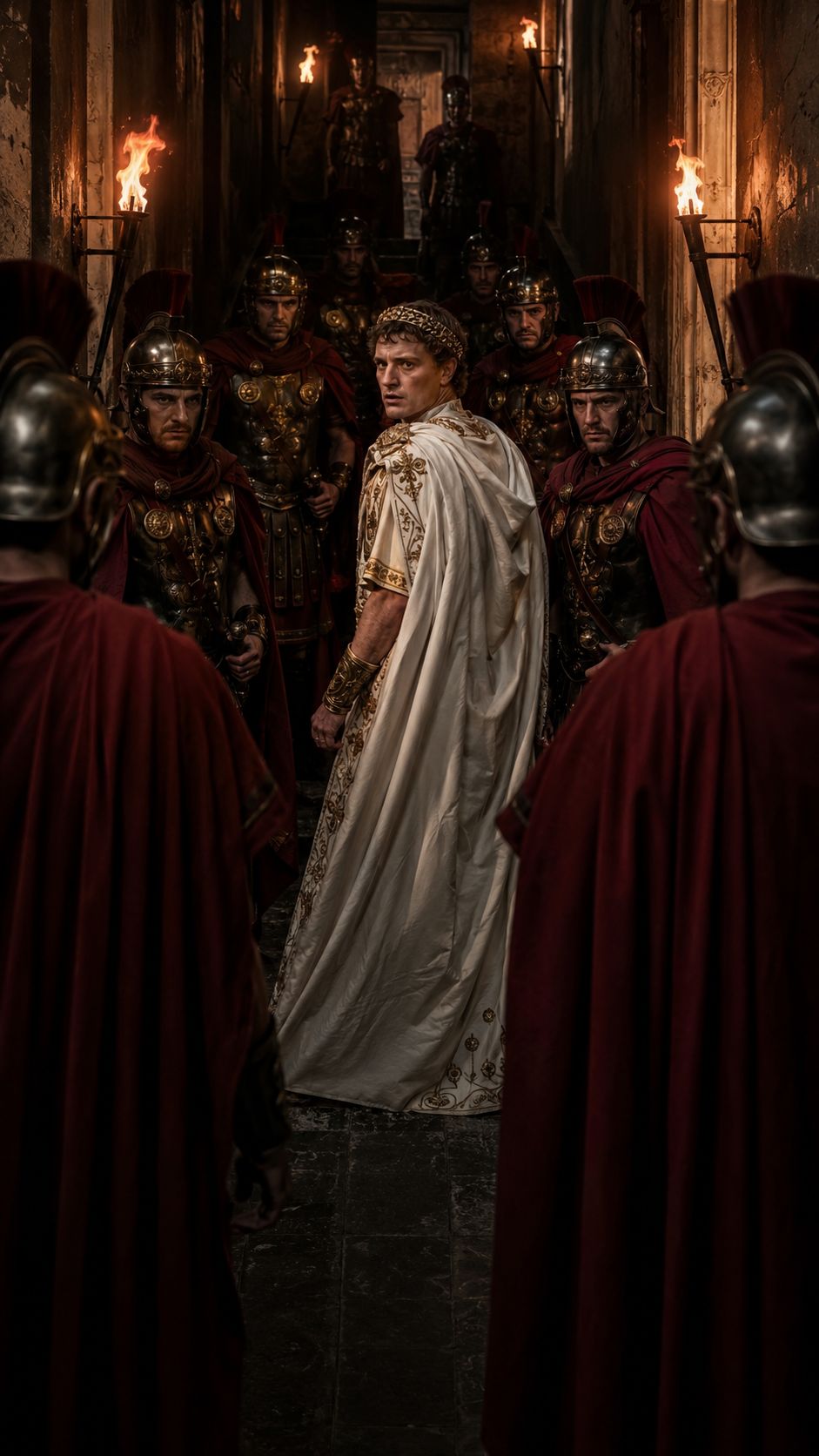 The Boy Emperor Rome Tried To Erase
Rome hated him so completely that after killing him, they tried to stuff his body down a sewer to deny him even a grave.
Rome, Italy · 222 · same site