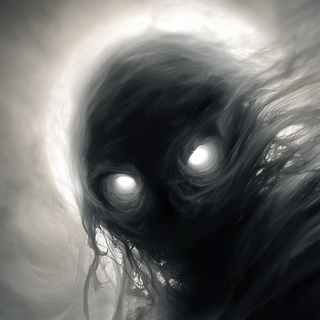
The execution was so medieval that the executioner himself broke down in absolute terror before the punishment was even halfway finished. In 1014, after the crushing Battle of Kleidion, the Byzantine Emperor Basil II captured fifteen thousand defeated Bulgarian soldiers. Instead of granting them a quick death on the field or a standard political ransom, the Emperor engineered a mass psychological and physical erasure. He divided the prisoners into groups of one hundred men. Executioners were ordered to step forward with red-hot iron rods and systematically blind ninety-nine men out of every hundred, leaving a single soldier with one eye intact to guide his blind comrades back home. The mass, rhythmic trauma turned the mountain pass into a screaming procession of fifteen thousand sightless ghosts marching through the wilderness.
Interesting Fact The psychological warfare worked exactly as Basil intended, but with a devastating twist. When the Bulgarian Tsar Samuel saw the horrific sight of his fifteen thousand blinded soldiers shuffling back into his capital city, the sheer shock and grief caused him to suffer a massive heart attack on the spot, dying two days later and entirely collapsing his empire without another battle being fought.
Nearby on the Dark Atlas
 The Queen Mother Who Walked Out To Face Her Killers
The mother of Alexander the Great terrified the soldiers sent to execute her so badly they refused.
Pydna, Greece · 316 BC · 129 km away
- The Wooden Horse That Ended A Ten-Year War
Two people warned Troy not to bring it inside — a priest and a princess no one believed.
Troy (Hisarlik), Turkey · 1184 BC · 289 km away
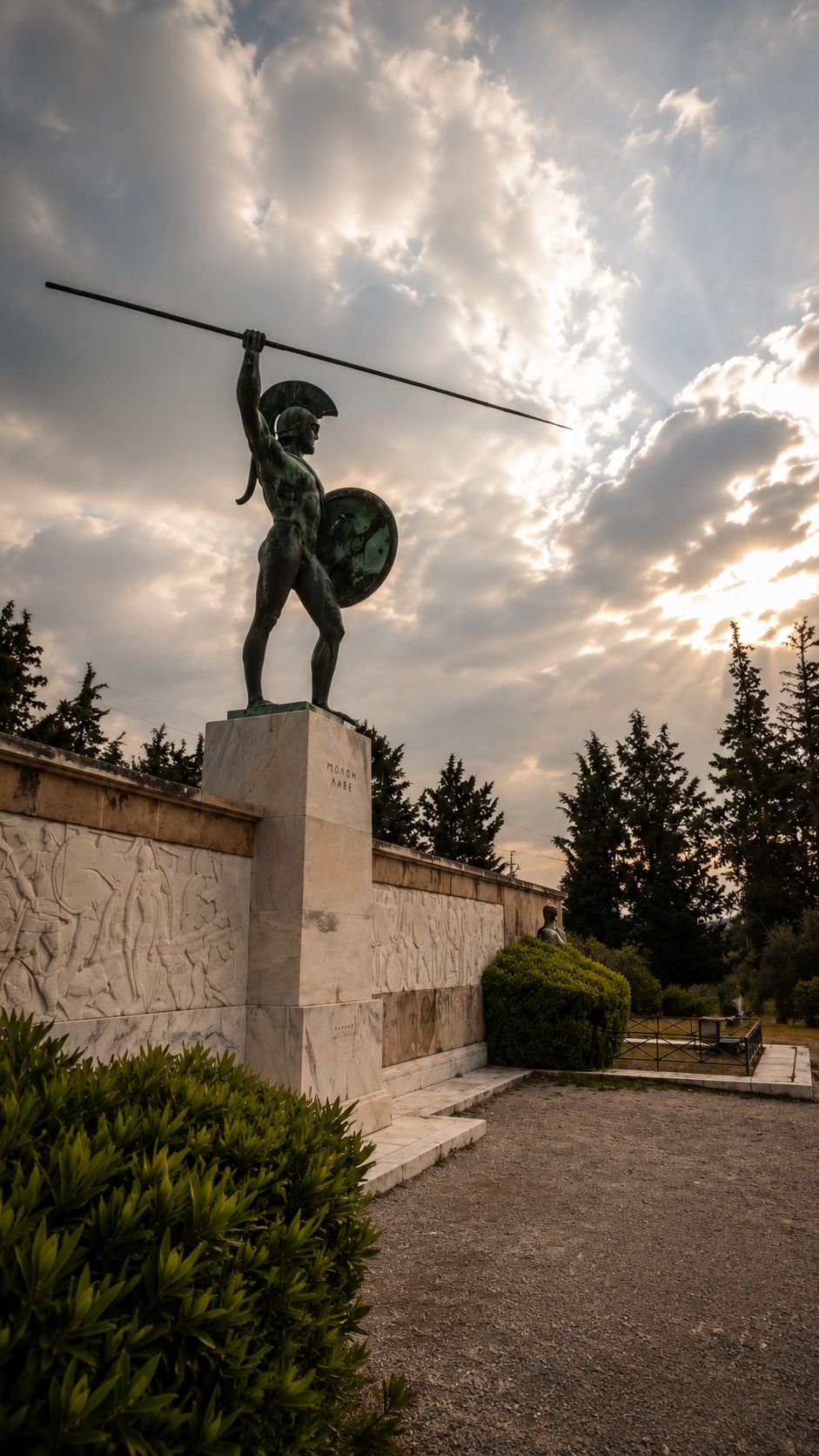 The Real Battle Behind The Legend Of 300
The film shows 300 Spartans making a last stand alone, but the truth about who actually held the pass at Thermopylae is crueller.
Thermopylae, Greece · 480 BC · 296 km away
 The Runner Who Died Delivering Victory
A professional long-distance runner is sent to beg Sparta for help, then races on to deliver news that costs him everything.
Marathon, Greece · 490 BC · 362 km away