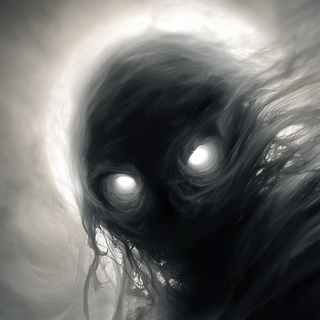
In January 897 AD, Pope Stephen VI ordered that the body of his predecessor, Pope Formosus, be dug up from its grave in St Peter’s Basilica. Formosus had been dead for about seven months. His corpse was rotting. Stephen did not care.
He had the body dressed in full papal vestments — chasuble, pallium, mitre. He had it seated upright on a throne in the papal court. Then he convened a formal ecclesiastical trial.
A dead pope was put on trial by a living pope. The proceeding is known as the Cadaver Synod. It is one of the strangest events in the history of the Church.
The Horror
Formosus’s corpse sat on the throne — decomposing, silent, wrapped in the symbols of office. Contemporary accounts describe the smell in the hall as overwhelming.
Beside and behind the body, a teenage deacon was appointed to “speak” for the dead man. The judges addressed their questions to the corpse. The answers came from a frightened boy standing just out of sight, voicing a defence that had no chance of success.
The main charges were that Formosus had broken canon law by becoming pope while already bishop of another see, had perjured himself, and had wrongfully “aspired” to the papal throne. The political reality behind those accusations was simpler: Stephen wanted to erase Formosus’s acts because they empowered rivals.
The verdict was decided before the body left the grave. Formosus was found guilty.
Stephen ordered the vestments stripped from the corpse. He ordered the right hand mutilated: the three fingers used for papal blessings were cut off, symbolically cancelling the blessing they represented. Then he declared every act of Formosus invalid — ordinations annulled, decrees void, bishops he had consecrated stripped of legitimacy.
The body, now defrocked and disfigured, was dragged through the streets of Rome and dumped into the Tiber.
Then the river gave him back.
Fishermen recovered the corpse downstream. Later stories say the body began “performing miracles”: people who touched or prayed near it claimed healings and signs. Whether or not those reports are literally true, a cult formed around the dead pope. Public opinion in Rome turned sharply against Stephen VI.
Within months, Stephen was deposed and imprisoned. He was strangled in his cell. The pope who had put a corpse on trial died in a dungeon.
Formosus’s body was retrieved, re‑clothed in papal robes and reburied in St Peter’s with honour. For a time, his condemnation was reversed.
But the story did not end there. Over the next decade, rival factions in the papacy alternately confirmed and overturned the Cadaver Synod’s decisions. Pope Sergius III — who had taken part in the original trial as a younger cleric — became pope in 904. He aligned himself with the anti‑Formosus camp, reinstated the condemnation and, according to some sources, had Formosus exhumed yet again, tried again and further desecrated, with the body once more consigned to the river.
A dead pope tried twice, condemned twice, thrown in the Tiber twice, and rehabilitated between.
The Modern Relic
St Peter’s Basilica still stands over the site of the earlier church and its burial crypts. Somewhere beneath the present floor lie the places where Formosus was buried, disturbed, reburied, and possibly disturbed again.
The Tiber still runs past the Vatican walls, the same river that once carried his corpse away and back. The physical courtroom of the Cadaver Synod no longer exists, but narrative records survive — in writers like Liutprand of Cremona and in later summaries of papal history.
The fingers cut from Formosus’s blessing hand were never recovered. No formal apology or doctrinal correction has ever been issued about the episode; it sits in papal history as something later popes effectively buried by silence rather than addressed.
The institution that once sat a decomposing pontiff on a throne, had a teenager answer questions for him, declared his acts void, cut off his blessing fingers and threw his body into a river is the same institution that still operates today. The building is new. The river is the same. The story is mostly left unspoken.
Nearby on the Dark Atlas
- How Crucifixion Actually Killed Its Victims
The nails weren't the killer — the Romans built a death that came from suffocation, one agonising push-up at a time.
Rome, Italy · 100 · same site
 Nero Never Fiddled While Rome Burned
The most famous image of imperial cruelty in Roman history turns out to be almost entirely fabricated.
Rome, Italy · 64 · same site
 Six Thousand Crucified Along The Appian Way
The slave rebellion Hollywood romanticised did not end with one man on a cross, but six thousand.
Rome, Italy · 71 BC · same site
 The Borgia Pope's Unsolved Family Murder
The pope's own favourite son was murdered and dumped in the Tiber, with suspicion pointing straight at his own brother.
Rome, Italy · 1497 · same site
More like this
- The Leper King's Story No Film Would Show
Kingdom of Heaven gave him a dignified death behind a silver mask, the truth was far crueller.
Jerusalem, Israel · 1185
- The Heretic Burned By The Reformers Who Fled Rome
Calvin's Geneva burned a brilliant Spanish physician for his beliefs, then, centuries later, erected a monument of atonement.
Champel, Geneva, Switzerland · 1553
- The Truth Behind The Elephant Man
The real man behind the famous film was quieter, stranger and far more heartbreaking than any screenplay.
Whitechapel, London, United Kingdom · 1890
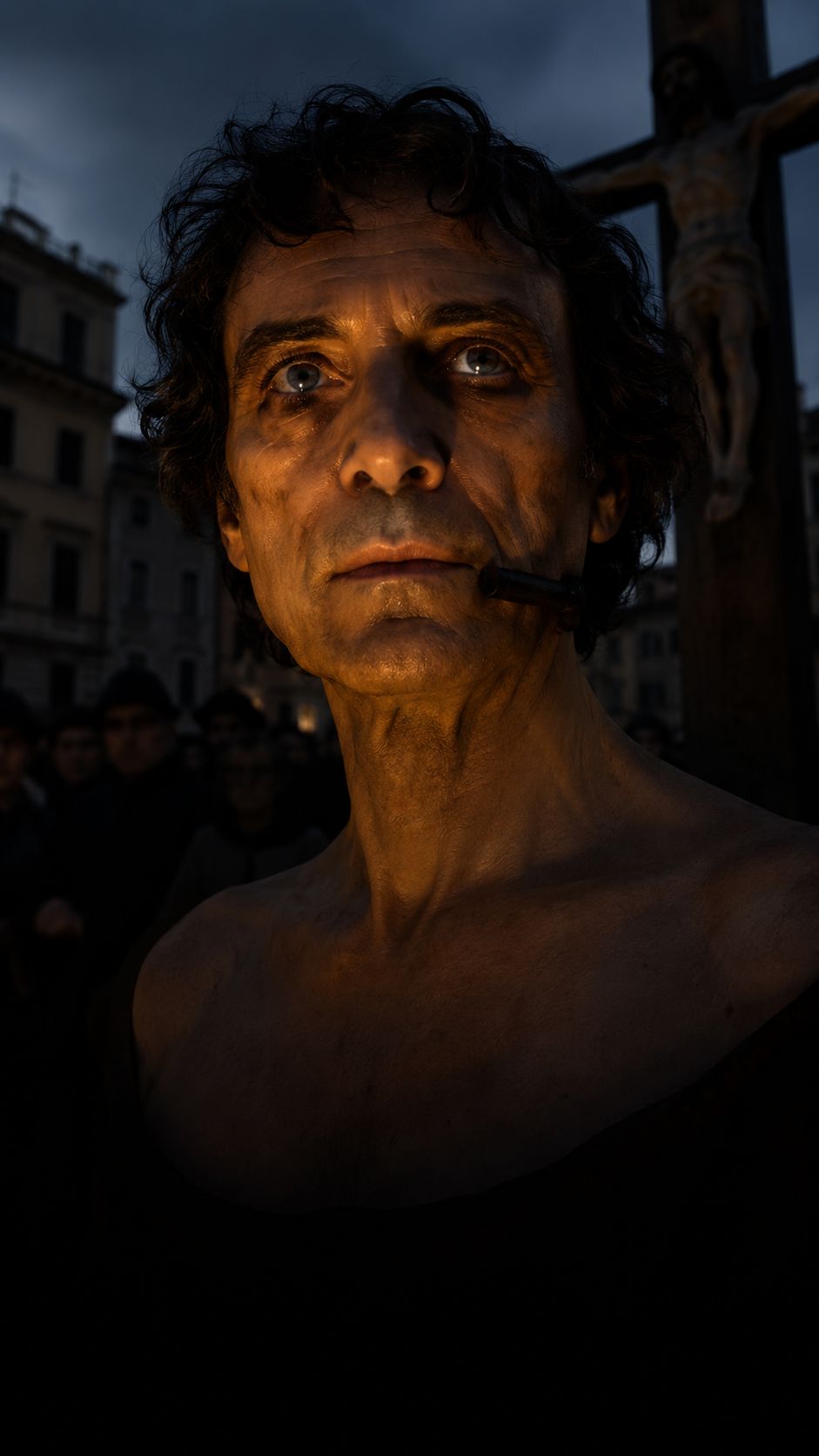 The Heretic Burned For What He Thought
After eight years of imprisonment, he refused to recant his vision of an infinite universe, and paid with his life.
Campo de' Fiori, Rome, Italy · 1600